
Pronatec 3
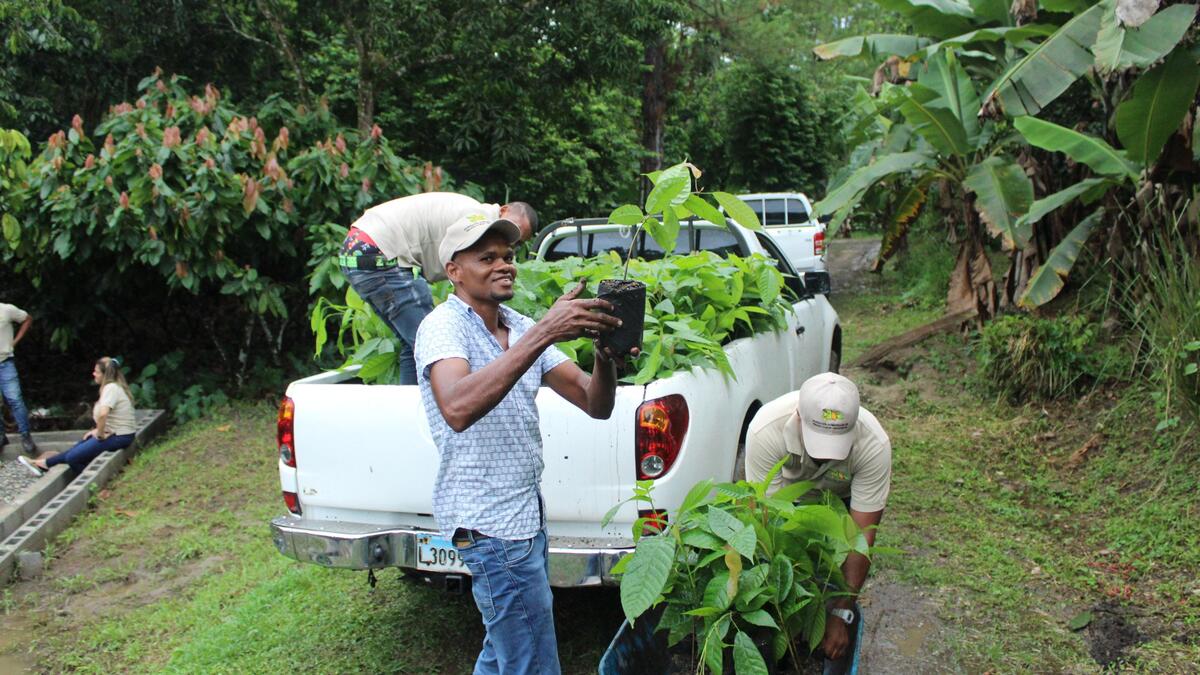
Do you recognize the plants in the photo? They are cocoa plants. Pronatec processes and sells, among other products, cocoa sourced from smallholder farmers in Africa and South America. In this way, these farmers receive fair prices, gain access to organic and Fairtrade markets, and earn a stable income.

The project
Cocoa grows in a narrow belt around the equator, in countries such as the Dominican Republic, Ghana, and Indonesia. The crop thrives in warm, humid regions and is mainly cultivated by smallholder farmers.
Pronatec sources cocoa, sugar, vanilla, and spices from smallholder farmers in 11 countries across Africa and South America. The company processes these products and sells them further along the supply chain. By working directly with farmer cooperatives, Pronatec provides farmers with stable demand, fair prices, and timely payments.
This gives farmers the opportunity to invest in their plantations and gain access to organic and Fairtrade supply chains. As a result, farmers receive Fairtrade premiums that they can invest in their own communities. This contributes not only to a stable income for farmers, but also to stronger cooperatives and more sustainable agriculture.
During the harvest season, cocoa needs to be purchased quickly, while sales revenues only follow later. Pronatec uses this loan as working capital to pay farmer organizations in the Dominican Republic directly and maintain long-term partnerships.
How does this guaranteed investment work?
With the guarantee from FairCapital, you invest in sustainable, direct projects through Lendahand. FairCapital, based in Switzerland, provides financing and advisory services to companies in sustainable agriculture and has extensive experience assessing both the social impact and credit risk of agricultural projects.
If Pronatec cannot meet its payment obligations, FairCapital fully compensates Lendahand investors for the nominal investment plus interest. Note: investing always carries risks. Read the terms here.
Your investment
Pronatec is guaranteed by FairCapital, covering both your investment and the interest.
- Interest rate: 4% per year
- With an investment of €1,000, the expected total repayment is €1,030
- Maturity: 12 months. You will receive repayment every six months, including interest. You will receive payments in month 6 and 12.
- Currency: Euro.
Pronatec
Impact
Small-scale cocoa farmers in Africa and Latin America face limited access to financing, strict certification requirements, and strong price fluctuations in the market. Without stable buyers and timely payments, it is difficult for farmers to invest in their businesses and maintain certifications.
Sustainable cocoa production also requires farming methods that protect soil health, biodiversity, and long-term productivity. This is only possible with reliable buyers that provide market access and technical support.
PRONATEC plays an important role through direct and long-term partnerships with smallholder farmer cooperatives. The company purchases cocoa, vanilla, spices, and other agricultural products directly from these cooperatives, giving farmers more certainty that they can sell their harvest and receive timely payments during the harvest season. PRONATEC also supports farmers with certification and transparent supply chains.
In the short term, farmers and cooperatives receive faster payments for their cocoa and gain more income security. In the long term, the partnership helps them improve production, maintain certifications, and invest in sustainable farming methods.
The wider farming communities also benefit. Fairtrade premiums received by farmers are used for local projects such as improving education, infrastructure, and other community investments.
Discover more - Log in or create an account
To protect our partners, certain information is only available when you are logged in. Log in, or create an account if you are new to Lendahand!