
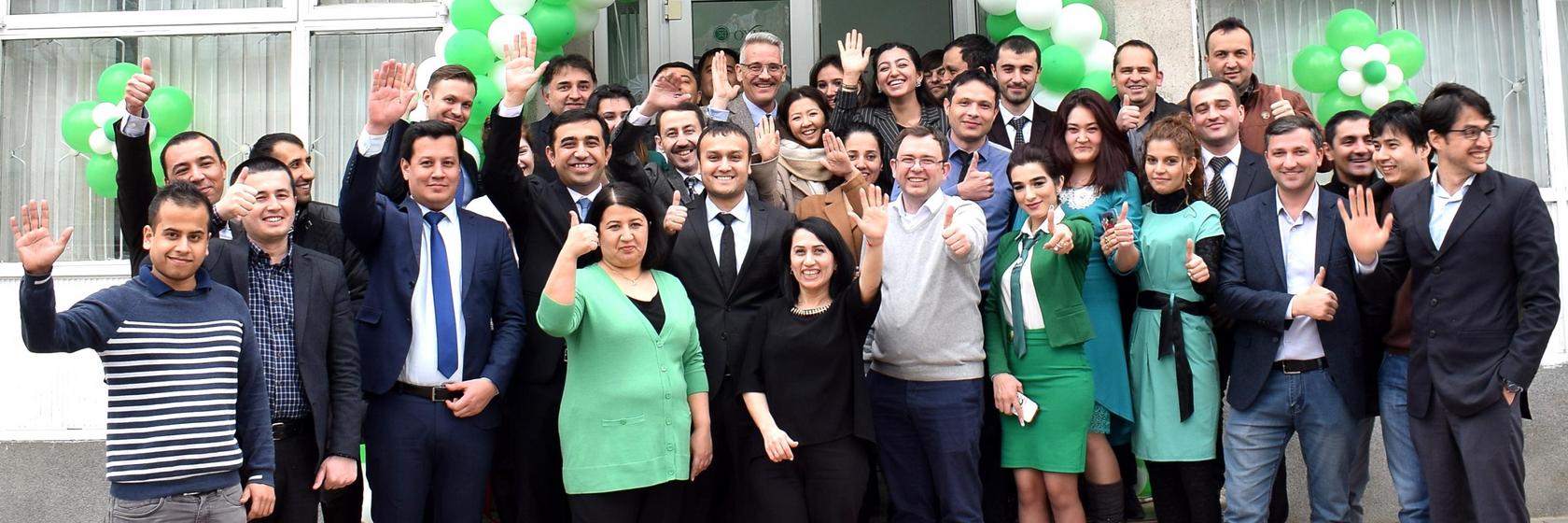
Founded in 2005 by the globally recognized NGO ACTED*, Oxus has grown to be a significant player in the microfinance landscape. ACTED's commitment to socio-economic development led them to establish Oxus, ensuring financial inclusion for underserved communities. Today, ACTED remains the largest shareholder of Oxus Holding, underlining their continuous support and belief in the power of microfinance.
In its commitment to bolstering the local economy, Oxus provides loans in the region's currency, ensuring borrowers are shielded from exchange fluctuations. An average loan from Oxus to an entrepreneur is $3,000. Furthermore, their emphasis on income-generating projects underscores their dedication to sustainable community development.
*ACTED is also a shareholder of Hands-on BV (under the brand name Lendahand). However, with a stake of only a few percent, this does not hinder us from displaying the proposition on our website.
General information
| Borrower | OXUS LLC MDO |
| Country | Tajikistan |
| Head office | Dushanbe |
| Website | http://www.oxus.tj |
| Founded | 18 November 2005 |
| Active on Lendahand since | 23 March 2023 |
| Credit score | A+ |
Financial information per 2026-03-31
| Portfolio Overview | €24,709,082 |
| Leverage ratio | 86.20% |
| Write-off ratio | 0.00% |
| % investment amount in arrears (>90 days) | 1.25% |
About Tajikistan
Tajikistan, the smallest country in Central Asia, is landlocked and mountainous. It is bordered by Afghanistan to the south, Uzbekistan to the west, Kyrgyzstan to the north, and the People's Republic of China to the east. The Republic of Tajikistan gained independence in 1991 as a result of the collapse of the Soviet Union. Following independence, the country went through a long period of internal conflicts and civil war. Political stability was restored in 1997 with the signing of a peace agreement between the government of Tajikistan and the united Tajik opposition. The population density of Tajikistan is 56 persons per square kilometer, however, the population is concentrated in the cultivated lands and in the industrialized urban areas, and therefore unevenly distributed among the four regions (viloyat). The majority of the population (over 70%) live in rural areas. The geographical terrain with 93% of mountainous territory and only 7% arable and the fact that Tajikistan lies in the seismically active zone makes the country uniquely prone to natural disasters such as earthquakes, floods, mudslides and landslides. Tajikistan has made steady progress in reducing poverty and growing its economy over the last decade. This has been accomplished through an increase in precious metals exports and a significant increase in domestic demand. Remittances represent over 25% of Tajikistan’s GDP, at some years reaching up to 40%.
Last funded project
 Tajikistan
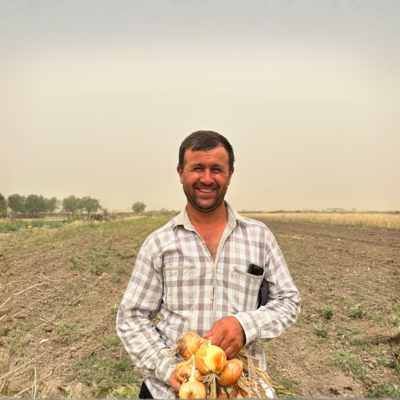
Farmer Abdurahmonov from Tajikistan was able to grow his agricultural business with a loan from microfinance institution Oxus. By investing in seeds, fertilizer and later also machinery, he increased his yields and built a more stable income for his family. Will you invest in the sustainable lending programmes of Oxus?