
 All posts
 Impact
 Investing
 Stories
 Updates
Travel Report: Yvette meets entrepreneurs and borrowers in Peru

Written by Yvette Hogenelst on 16 January 2026
While many people in the Netherlands were preparing for the holiday season, Willianne, Charles, and I packed our bags at the end of November and set off for the Southern Hemisphere. We traveled to the land of llamas, Machu Picchu, and world-renowned cuisine. You may have already guessed it: Peru. The trip focused on due diligence of existing borrowers, meetings with potential new borrowers, and collecting stories from entrepreneurs. Curious whether we managed to do all that? This is our travel report.
This is my first time setting foot on South American soil. Through my work at Lendahand, I read and learn every day about the impact we are making on the ground. I feel very privileged to be able to make this trip, because not only do I now see and hear from entrepreneurs themselves how microfinance makes a difference in their lives, I also gain insight into how our work trickles down to these entrepreneurs. Full of eager anticipation, we boarded the plane to experience this for ourselves.
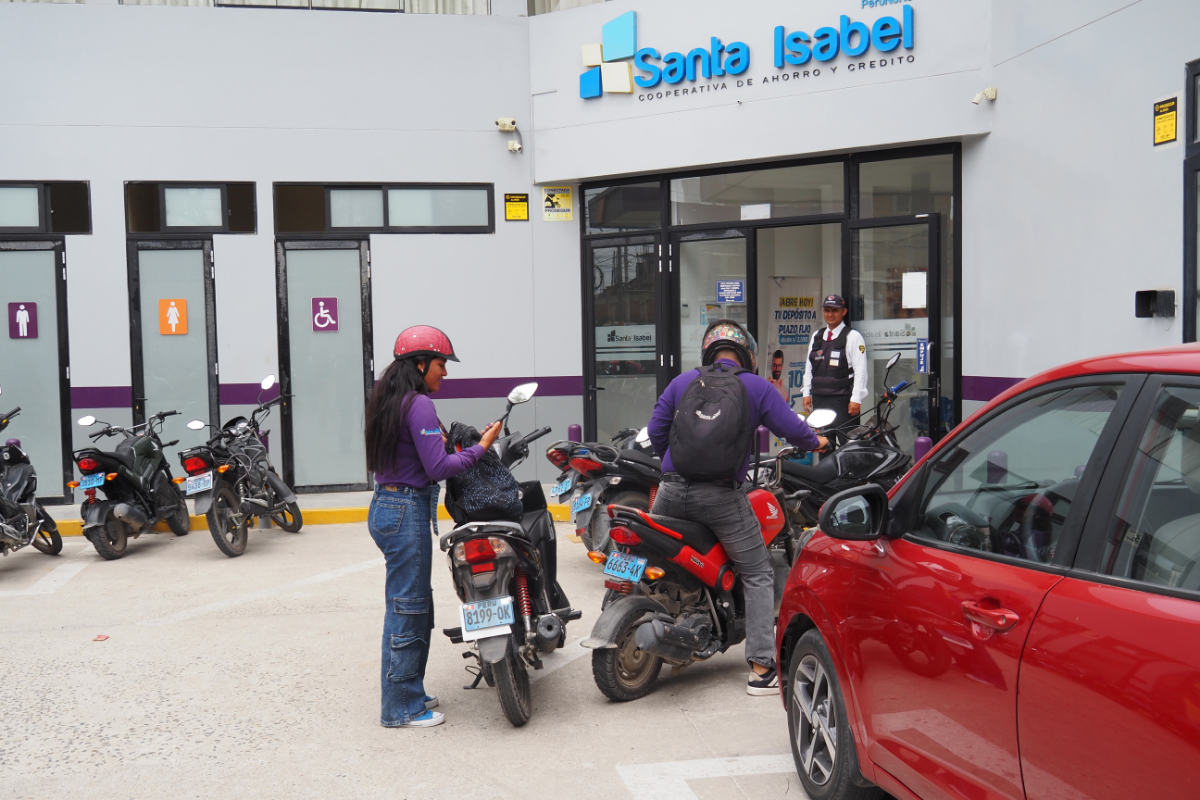
Peru is a vast country: It is no less than 30 times larger than the Netherlands. We experienced this almost immediately during our first visit to borrower Santa Isabel. This organization is based in Piura, 973 kilometers north of the capital, Lima. We left early in the morning for Piura to start the day at Santa Isabel’s office in the city center.
Visiting female loan groups with Santa Isabel
Santa Isabel is a cooperative whose main product consists of group loans for female entrepreneurs. More than 90 percent of its loans are provided to women through group lending. In front of Santa Isabel’s office, there is a constant flow of scooters and motorbikes. Santa Isabel’s loan officers visit women at home to explain loan options and meet with existing loan groups. Flyers are used to generate interest, but most women reach Santa Isabel through word of mouth.
This is also exactly what Santa Isabel’s group lending system is based on: the social ties between neighbors. We see this when Jean Pierre from Santa Isabel drives us to the home of Fabiola, a woman who runs a small neighborhood shop on the outskirts of Piura. Upon arrival, Fabiola’s living room is already filled with women from the neighborhood. Santa Isabel’s group session has just begun.
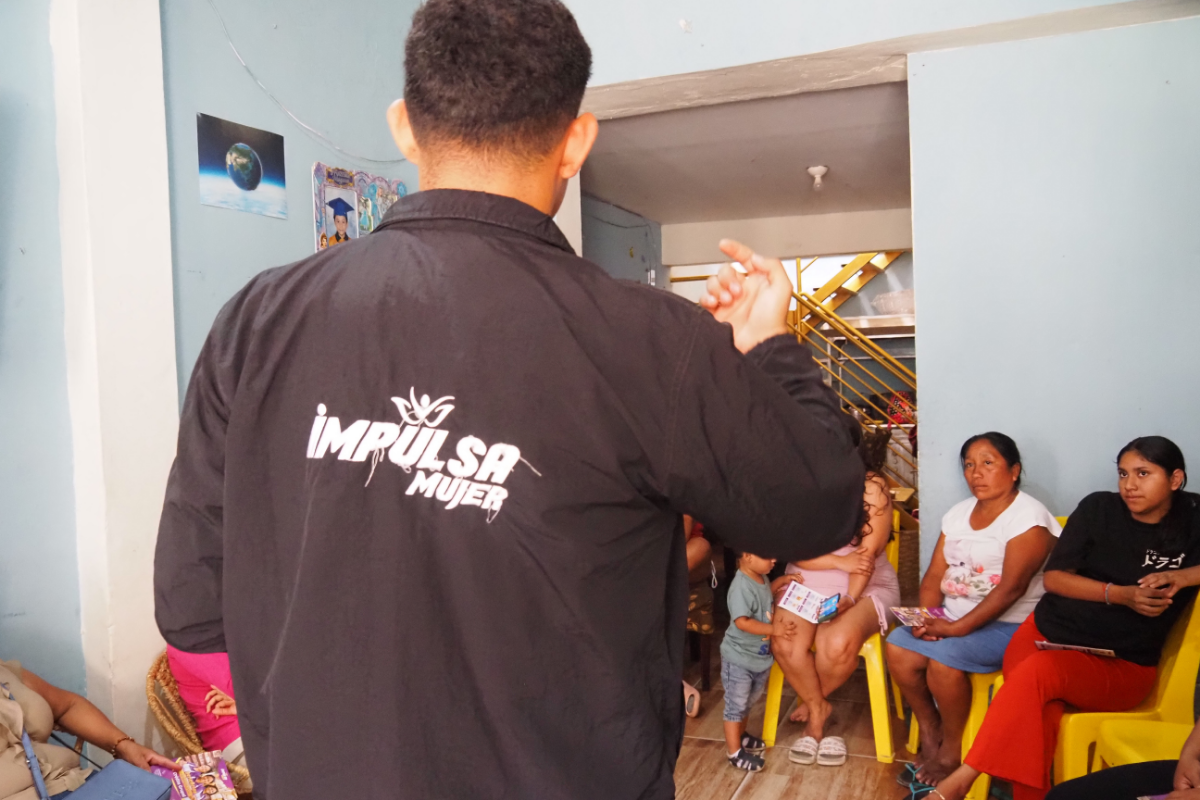
The idea behind group lending is as follows: each woman receives a short-term individual loan. The loan amount is determined and approved partly by the group. The women guarantee each other’s repayments, meaning the system is built on mutual trust and solidarity. The groups meet every two weeks to discuss progress, share experiences, or make repayments.
Fabiola is the group leader of this group. The group leader brings together 4 to 18 women from her neighborhood or immediate surroundings who want to form a loan group together. Because the group is jointly responsible for repayments, it cannot consist solely of family members. The group leader motivates the women to attend meetings, welcomes them into her home for group sessions, and supports them where needed. Santa Isabel provides appropriate guidance and materials such as planners, and offers the women discounts on services including healthcare.
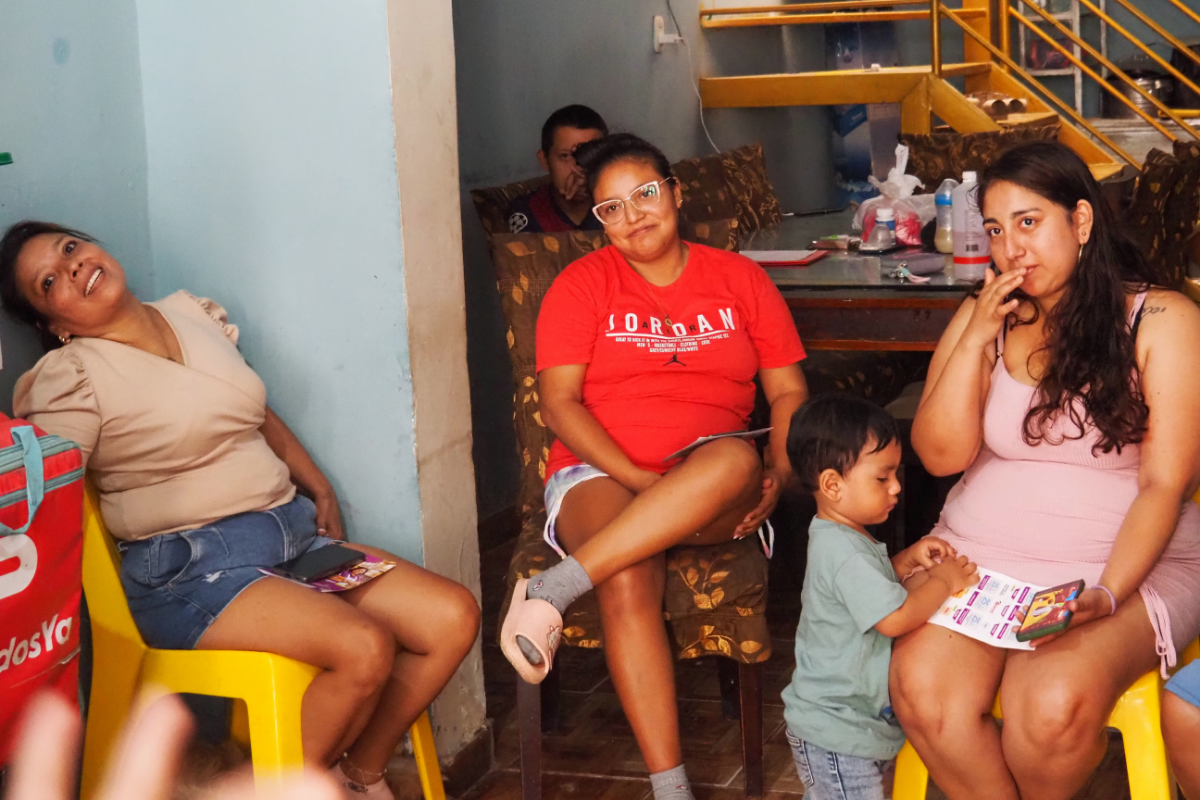
In Fabiola's living room, the women sit on plastic chairs in a circle and listen to the loan officer who opens their first session as a new group. Each woman talks about her business. What is striking is that most of them have small shops in the neighborhood.
To enthusiastic applause, Fabiola is introduced and recognized as group leader. Afterwards, each group member indicates the amount they want to borrow, which is then approved by the group. Like many others, Fabiola hopes to use her loan to further expand her shop and increase her income, so that she can better provide for her family.
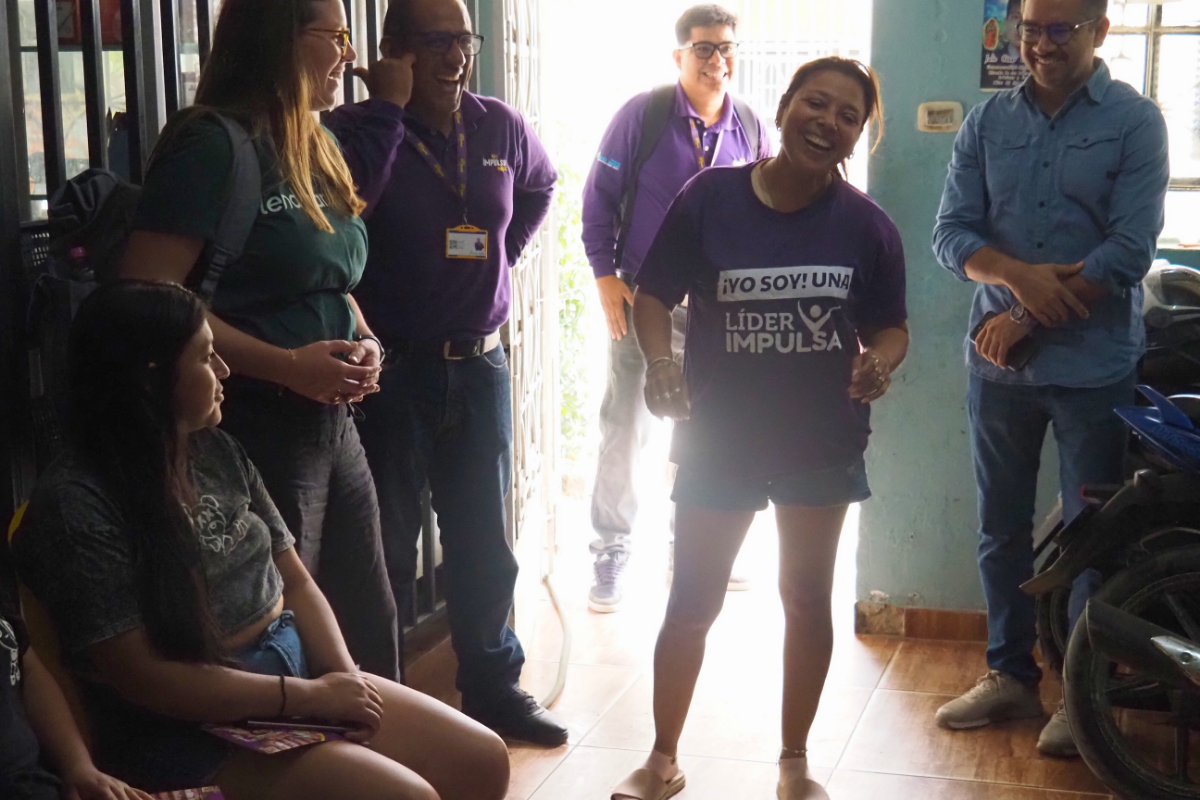
After the session, we get back into the car for the next stop: a meeting focused on repayments. Although not everyone from the group is present, this is not a major issue. Santa Isabel has its own app through which repayments can be made. Attendance at the biweekly meetings is therefore not mandatory, although it is strongly encouraged.
At the third stop, a repayment session at the home of group leader Nathalie’s family, something stands out to me. The women interact openly and comfortably with the female loan officers. A Santa Isabel staff member confirms this: “We work with both female and male loan officers, but female loan officers often connect more easily with our clients. They can relate to them better, and we see this reflected in stronger repayment rates.”
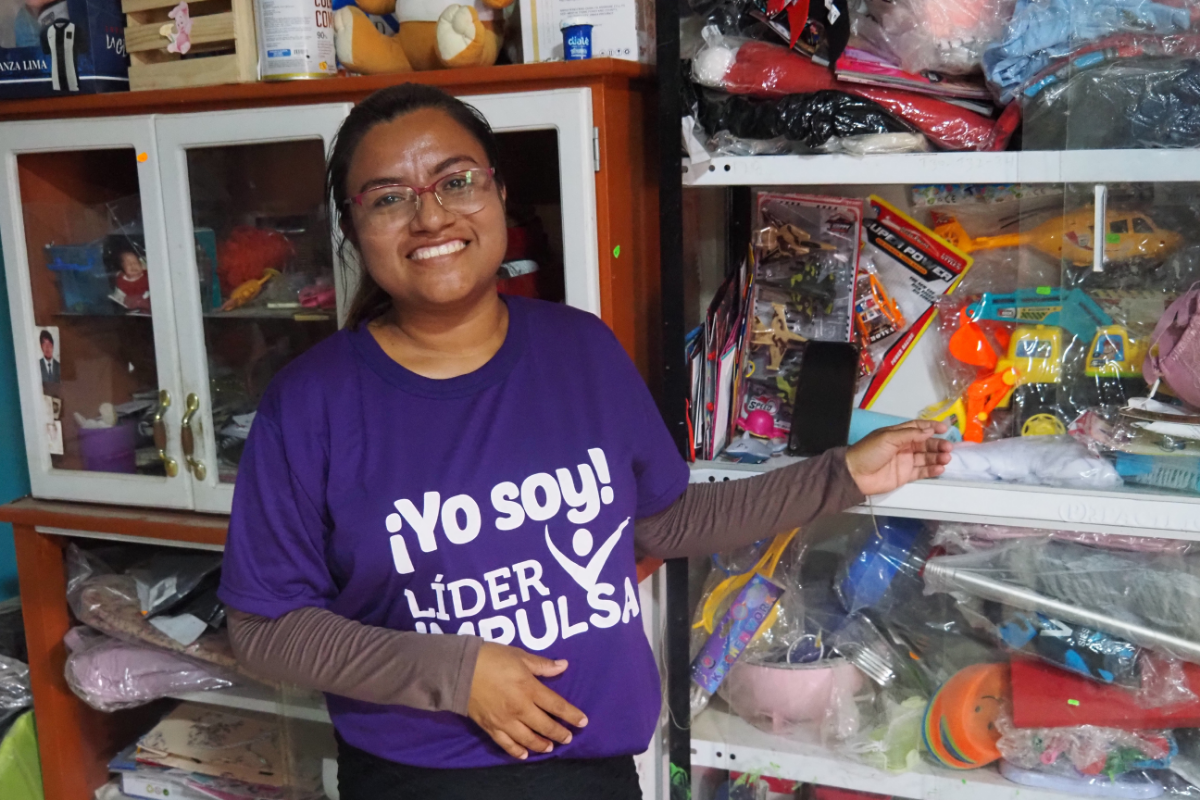
In the home of Nathalie’s parents, it also becomes clear to me how small-scale entrepreneurship can be. Nathalie uses her loan to purchase and sell various items, such as toys, from her parents’ home. The loan is small, but its impact is significant. It gives Nathalie, and other women, the opportunity to run a business independently and earn their own income.
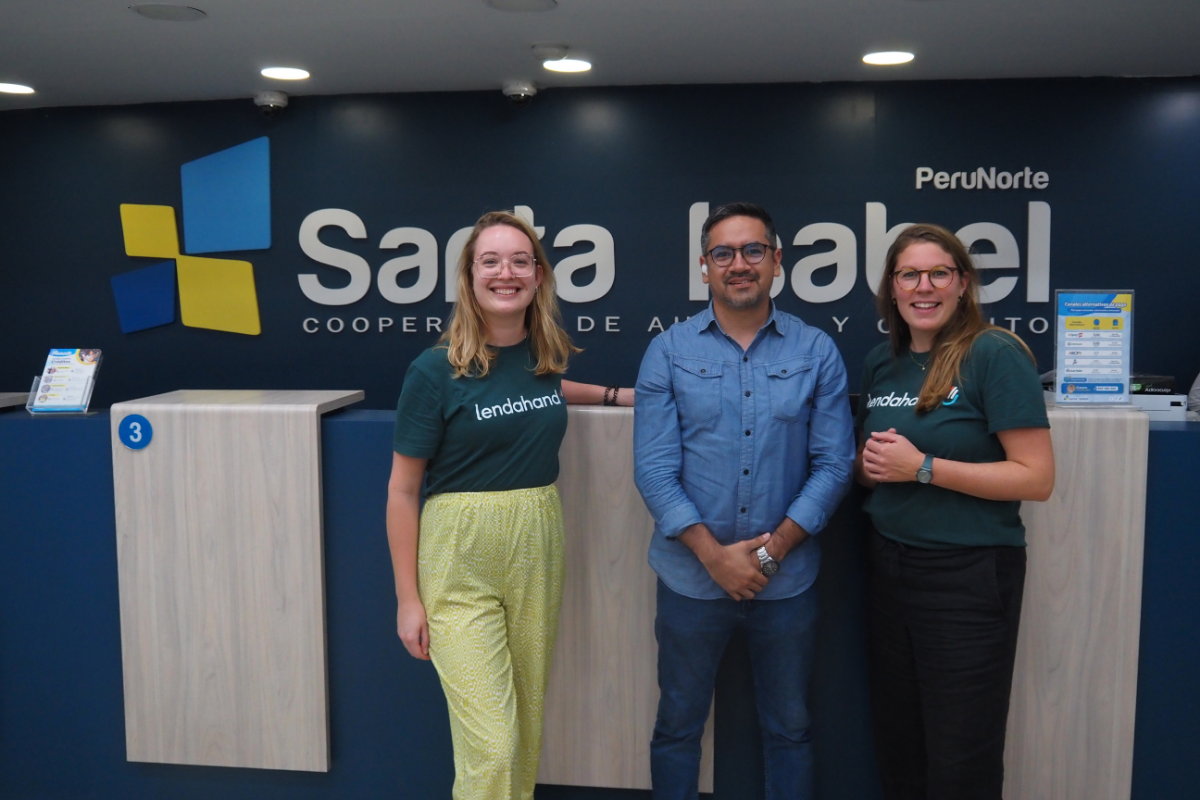
After the final due diligence interviews with Santa Isabel’s management, it is time to return to Lima. We head back to the capital with many new impressions, meaningful conversations, and a positive outcome: you will be able to continue investing in Santa Isabel projects on Lendahand in 2026.
For our second internal trip, we board a night bus to Pichanaki, a city in Peru’s Junín region that is known as the gateway to the jungle. The region is known for its coffee and cocoa plantations, which benefit from the humid climate and fertile soil on the edge of the Amazon basin.
Through the jungle to the coffee cooperatives
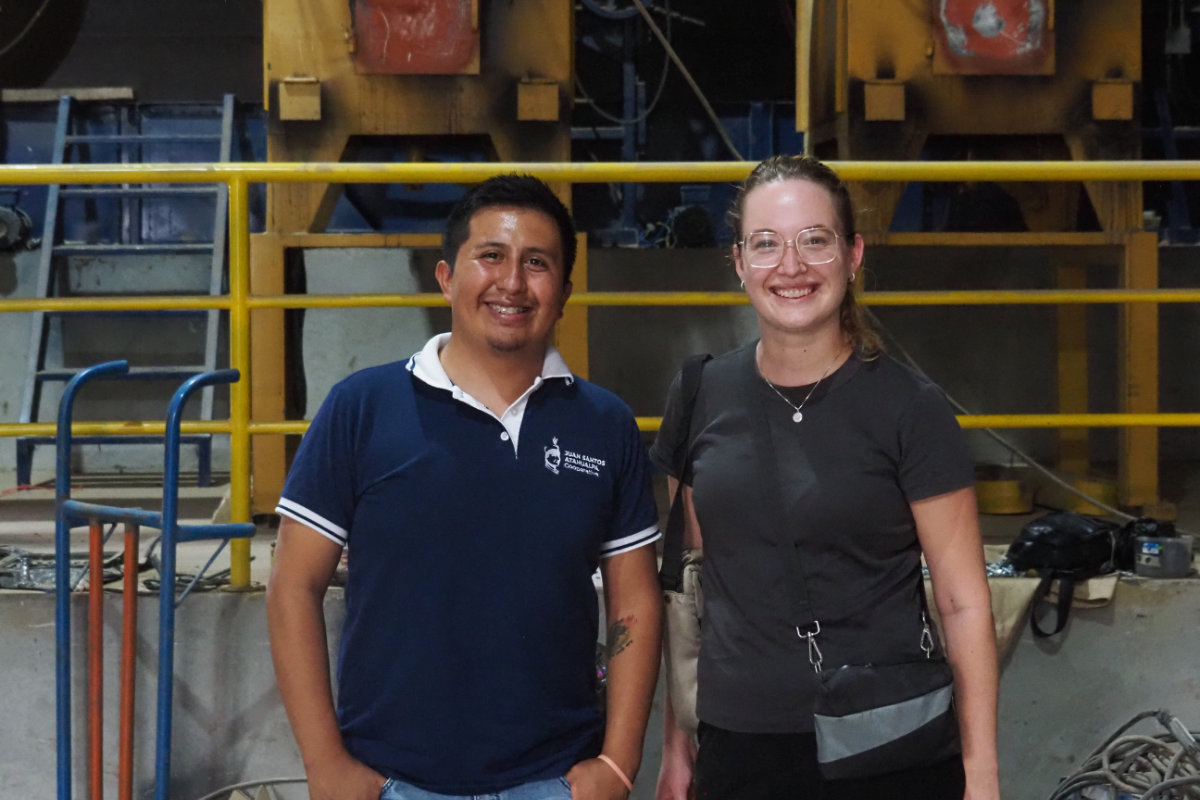
After a visit to Café Peru to discuss the restructuring of a loan, we stop by Cooperativa Juan Santos Atahualpa (JSA). This is a new borrower since 2025 in which you can invest with a guarantee thanks to our collaboration with FairCapital.
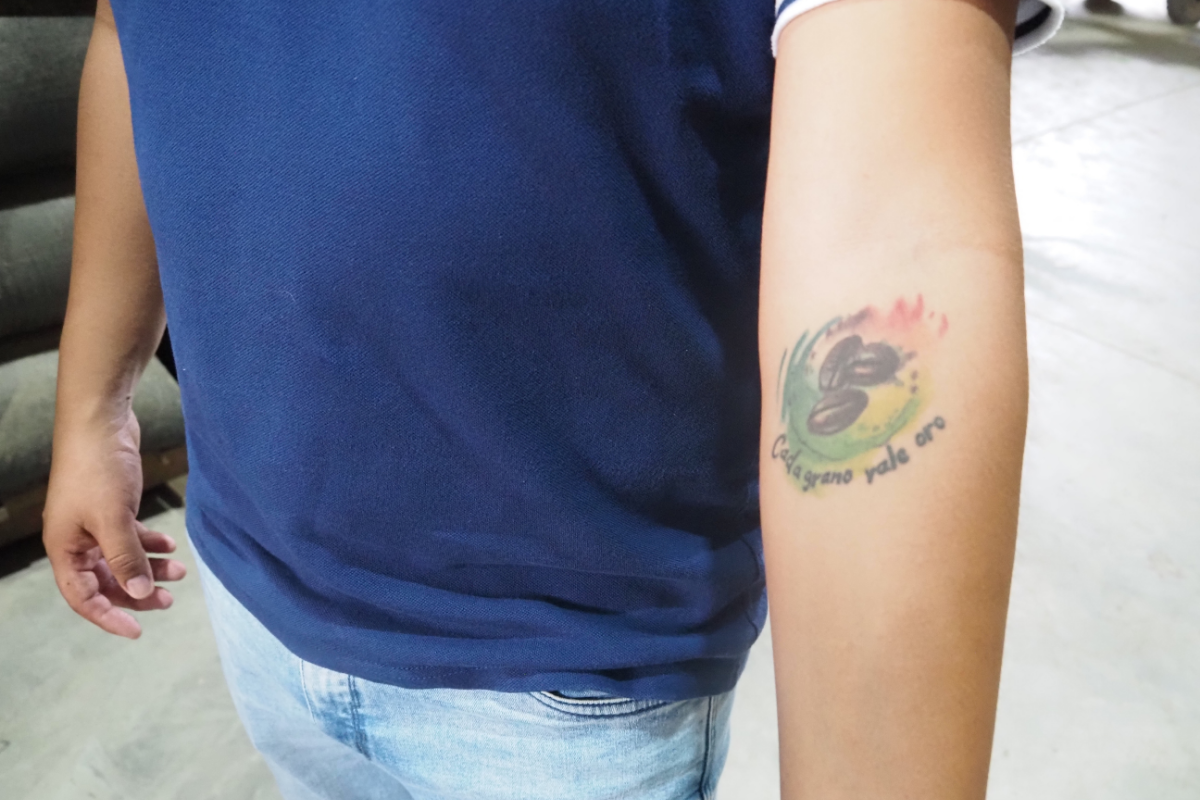
A JSA employee takes us through the coffee processing process and shows us the machines used in it. I notice a colorful tattoo of a coffee bean on his arm. “I got this tattoo in honor of my father, who is also a dedicated coffee farmer,” he tells me. Around the coffee bean is written ‘Every bean is worth gold.’
The collaboration with FairCapital enables Lendahand to offer investors a 100 percent guarantee on their investment, including interest. If we can offer a guarantee, we are happy to do so. So the next day, we visit a potential new borrower from FairCapital.This potential third borrower focuses on the production and export of coffee and cocoa.
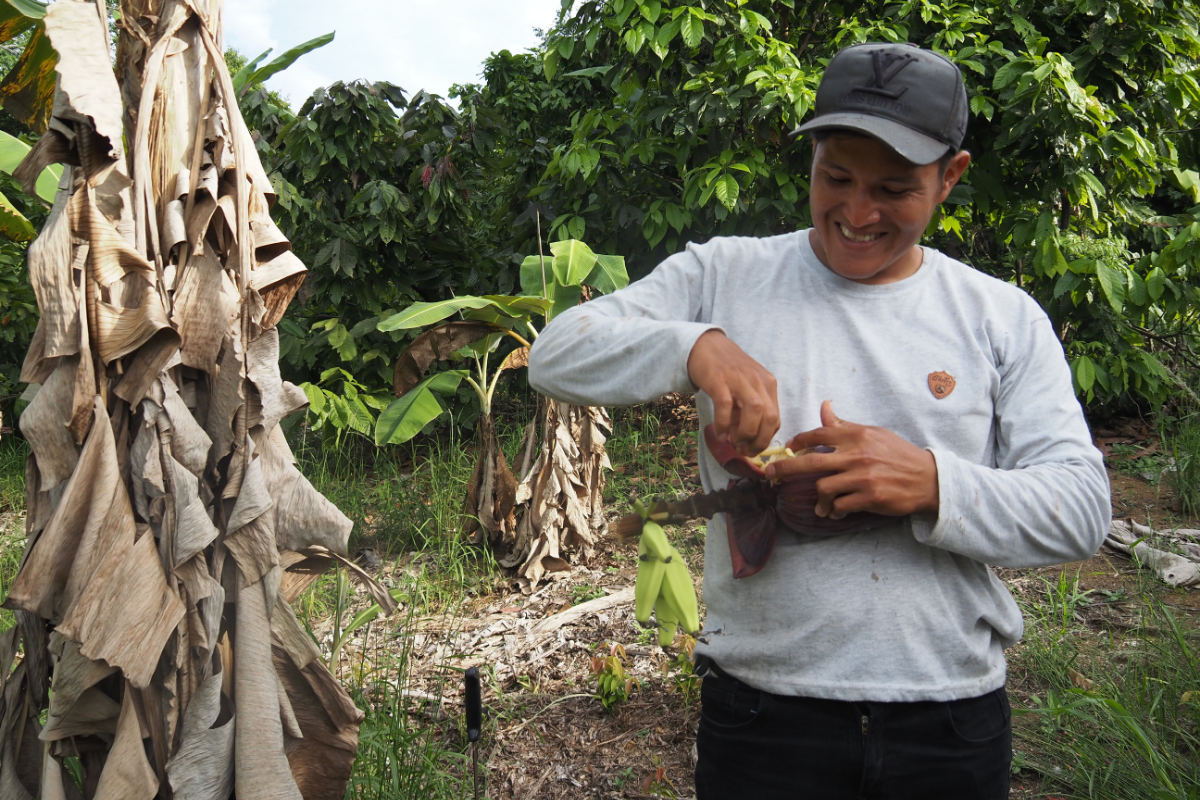
In the lush jungle, we see cocoa growing on trees, and a young cocoa farmer explains how the cocoa pods are harvested. We will share more details about this project at a later stage, but we hope to welcome this new borrower to the platform in 2026.
Together, we travel back to Lima, bringing Willianne and my work trip to an end. Charles continues his journey to carry out additional due diligence in Peru and other countries in South America.
Seeing the impact of projects ourselves was extremely valuable. The end borrowers, such as Santa Isabel’s clients, are sometimes very small-scale entrepreneurs, but the financing is of great importance to them. This is precisely why it is so important that we remain committed to equal access to finance in South America.
On the return journey, our suitcases contain not only a few bags of coffee, but above all valuable experiences and tangible results. This year, you can continue investing in female entrepreneurs through Santa Isabel, and we may also welcome a new FairCapital project on Lendahand.
In the meantime, over a cup of Peruvian coffee, we remain committed to offering entrepreneurs in South America a fair chance at financing. Will your next investment be in a project from South America?
