
 All posts
 Impact
 Investing
 Stories
 Updates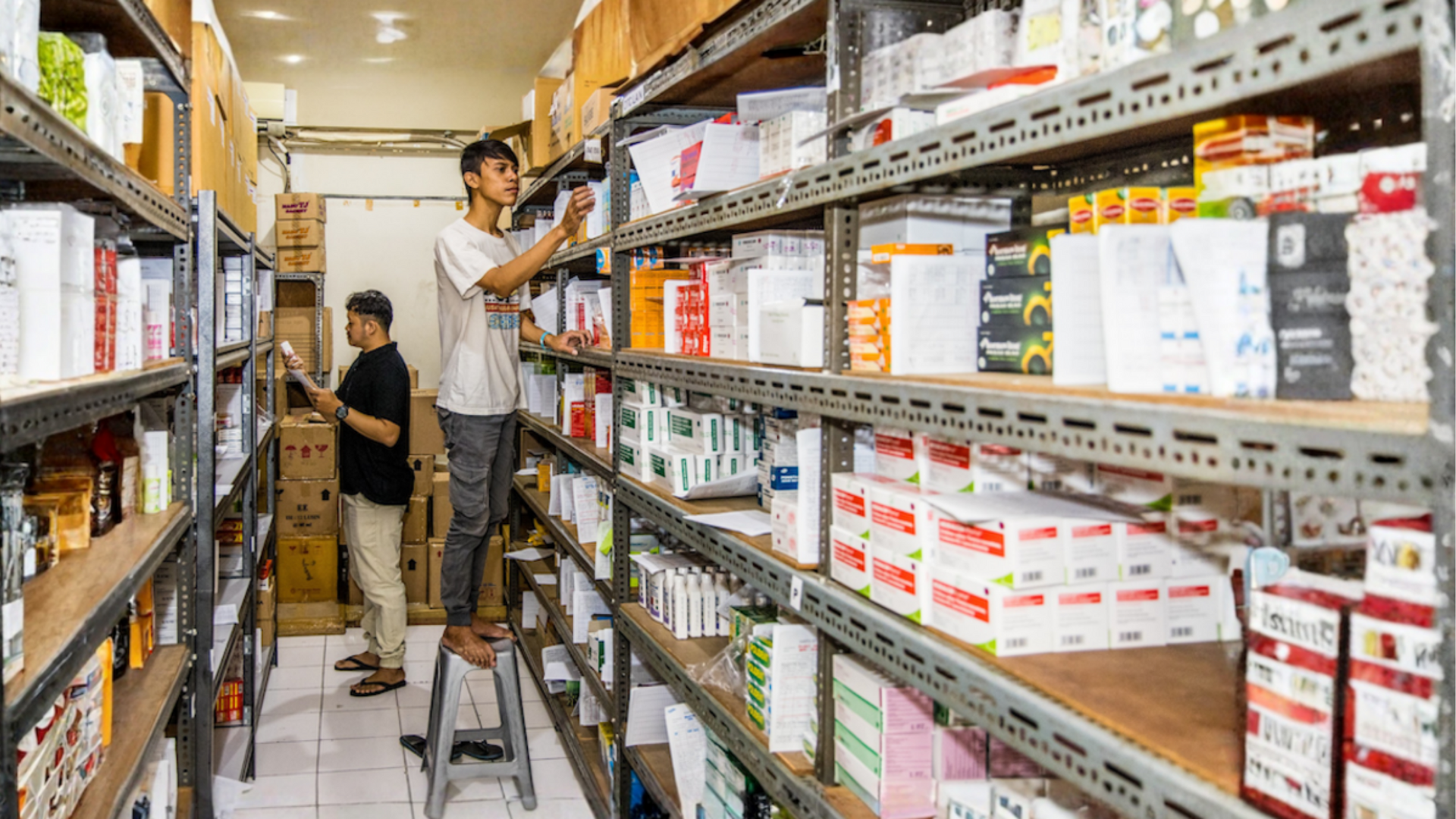
Impact Beyond the Labels

Written by Lynn Hamerlinck on 21 March 2026
It’s time to admit it: we humans love labels. They provide structure, create recognition, and perhaps give us a sense of control. Think of labels on food packaging or energy ratings on appliances, but also of labels we tend to give each other quite easily.
At Lendahand, we ultimately embraced labels too: with our impact labels, we add color to your investments and make visible how your money is put to work.
Positive impact does not arise automatically or from a label alone. Behind every project lies a mechanism through which capital is transformed into opportunities. That mechanism varies by entrepreneur, sector, and region.
So what do these labels actually mean in practice? And why do we choose these forms of financing to create more equal opportunities in emerging and developing countries worldwide?
Why Our Impact Labels Exist
Creating impact through investments requires a tailored approach. A small-scale entrepreneur earning a living in the informal economy has very different financing needs than a growing business looking to invest in machinery or staff. Yet both create meaningful positive impact: they generate income, jobs, and economic stability.
Through Lendahand, you therefore invest in different types of financing. This often happens via financial institutions that provide local entrepreneurs with access to loans they would not receive from traditional banks. The reasons vary: lack of collateral, inability to provide a credit history or formal accounting, or not being able to pay for high interest rates.
Microfinance
The principle of microfinance offers people without access to traditional banking services the opportunity to invest in their future. These are often entrepreneurs in the informal sector, for whom even a relatively small loan amount can make a big difference.
At Lendahand, we define a microfinance project as one where the average loan to borrowers is below €5,000.
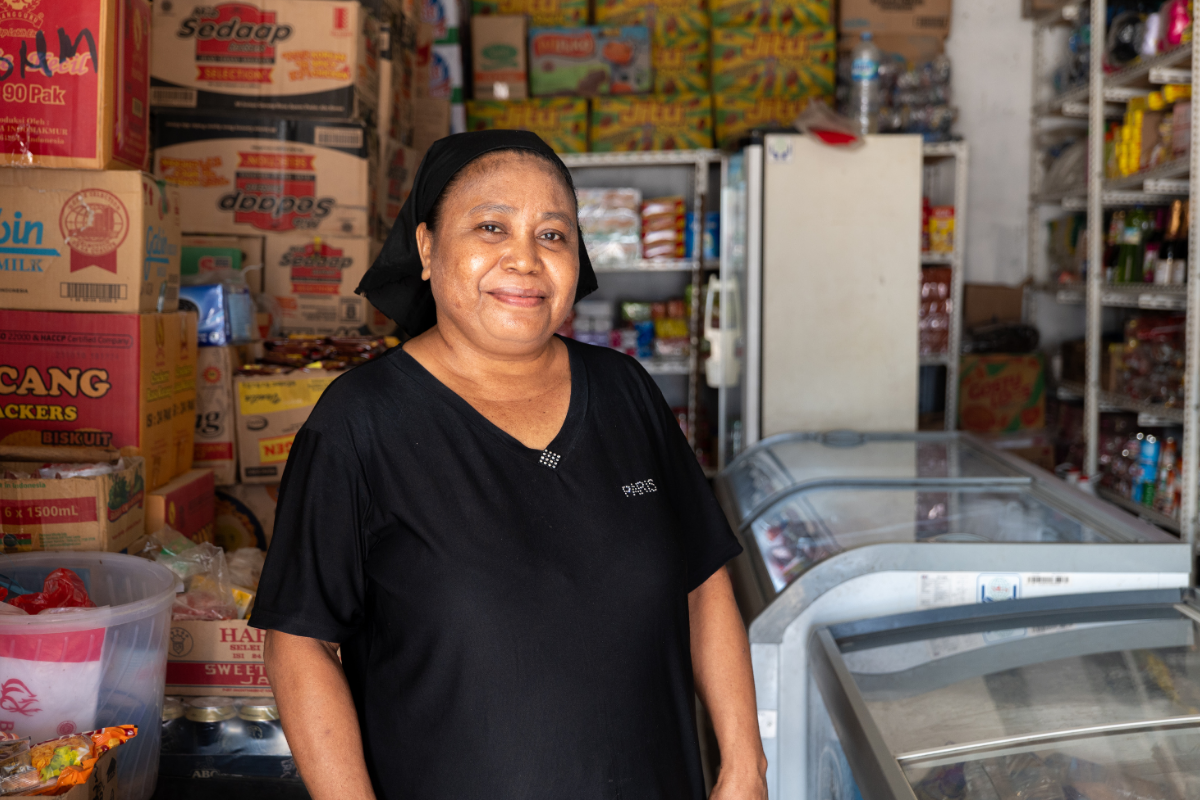
What do entrepreneurs use these loans for? They use it for example to purchase inventory for their shop or invest in equipment or transport needed for their business. A microloan is often the first step toward financial independence.
Curious how a microfinance institution operates in developing countries and how entrepreneurs use their loans? A visit to Kaebauk in East Timor illustrates the full picture! You can read more here.
Growth Financing
SME entrepreneurs typically aim for larger loans. Through growth financing, we reach medium-sized businesses that are ready for the next step. They receive loans averaging above €5,000, enabling them to expand operations, hire staff, or enter new markets.
While microfinance often focuses on building basic financial security, growth financing creates broader economic impact. Businesses generate jobs and strengthen local economies. Looking beyond that, these investments also enable innovation. And in turn, innovation opens the door to more sustainable business practices.
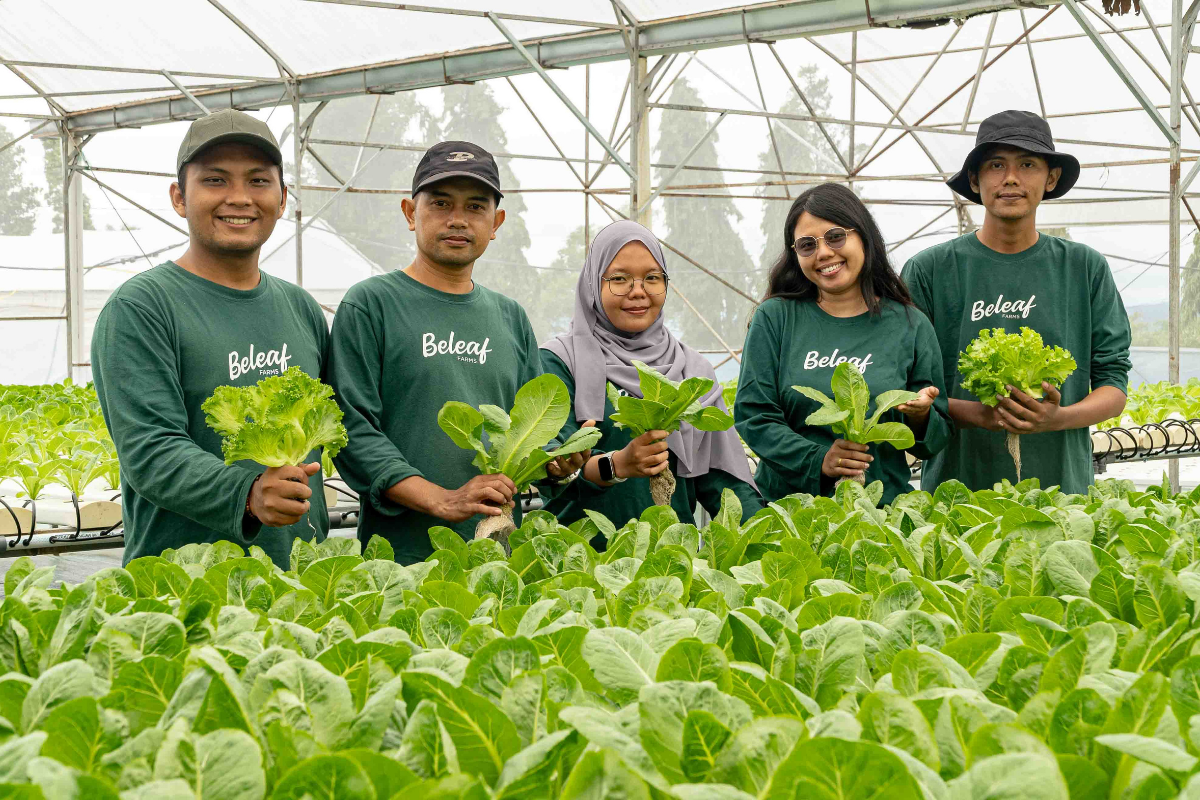
A great example is Funding Societies, a digital lending platform in Indonesia that supports entrepreneurs with capital to grow structurally. We spoke with one of their clients about what this financing made possible. Read or watch the inspiring interview with CEO Amrit Lakhiani of Beleaf Farms here.
For you as an investor, it’s also worth noting: investing in financial institutions has historically delivered relatively stable financial returns. Our CFO Daniel explains more in this article.
Please note that past performance is not a guarantee of future results.
Climate
With climate financing, we do not necessarily focus on developing new innovations, but on broadening access to existing solutions. How do you ensure broader access to technologies that make agriculture, housing, and businesses more sustainable? Especially in remote areas of emerging markets and developing countries?
This label highlights loans that have a positive impact on the climate. Take, for example, financial institution Oxus in Tajikistan: 80% of its clients are farmers in rural areas with limited access to capital. Through primarily microloans, these clients invest in better seeds, fertilizers, or more efficient machinery.
We agreed with Oxus that funding raised via Lendahand projects is specifically allocated to their sustainable lending programs for farmers.
Farmer Abdurahmonov, for instance, invested in his farm thanks to such a loan. His first loan of around $3,000 enabled him to purchase better seeds and fertilizer, increasing his yield. With a second loan, he invested in modern agricultural machinery. The result: a more stable income and a more sustainable farming business.
The Climate label does not represent an abstract ideal, it highlights tangible improvements at both small and large scales.
Agri-support
If a company operates in the agricultural sector, or if at least 60% of a financial institution’s borrowers are farmers, it receives the Agri-support label. NGO FACES in Ecuador meets this criterion and is strongly committed to supporting local farmers.
Female Loans
Globally, women are a driving force behind economic growth. Yet they often face greater barriers to accessing financing. This label identifies financial institutions that actively work to close that financing gap. A project receives this label when more than 60% of its loans go to women.
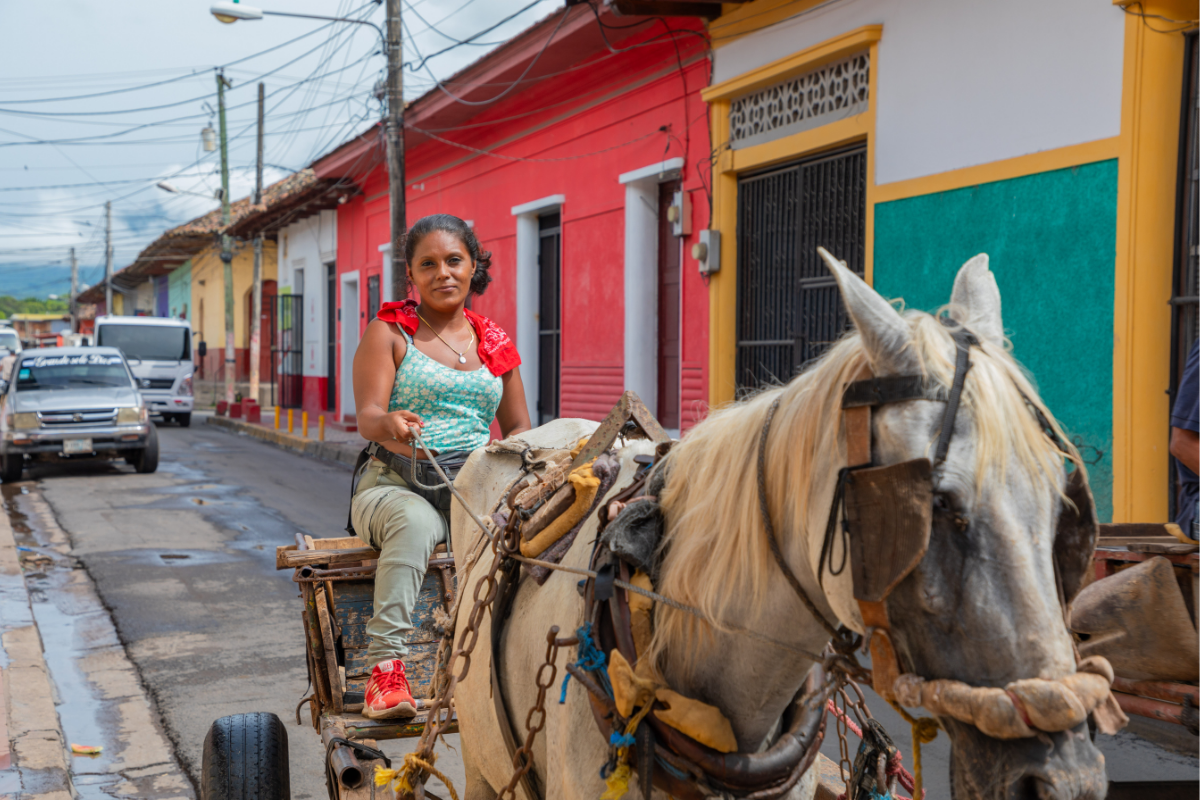
MiCrédito in Nicaragua is a strong example. Through their specially designed “Mujer Emprende” program, they encourage women to start their own economic activities.
Mery, for instance, began building her income through this program. With her first loan, she started selling perfumes and beauty products. As her revenue grew, she expanded into clothing. Together with her husband, she bought a horse and cart that now serves as a mobile shop.
“I’ve become more financially independent, and yes, it has greatly restored my self-confidence. But this is only the beginning! I dream of owning a physical store, so my family can have even more stability and security,” says Mery.
Investing in projects focused on female entrepreneurs opens doors and breaks barriers. It creates not only economic impact, but social impact as well. At the same time, it’s important to emphasize that the impact does not arise solely because a loan goes to a woman, it is also shaped by the surrounding support and structure.
Group Loans
Group lending is based on the idea that people are stronger together. This model relies on mutual trust, motivation, and collaboration.
Did you know that group loans within microfinance are exclusively intended for women? That’s why you often see the Group Loans and Female Loans labels appear together. A project receives this label when more than 60% of loans are issued through group structures.
A group loan is a shared loan in which members guarantee each other. Its strength lies not only in access to finance, but also in community. Entrepreneurs share knowledge and motivate one another to save and build steady incomes.
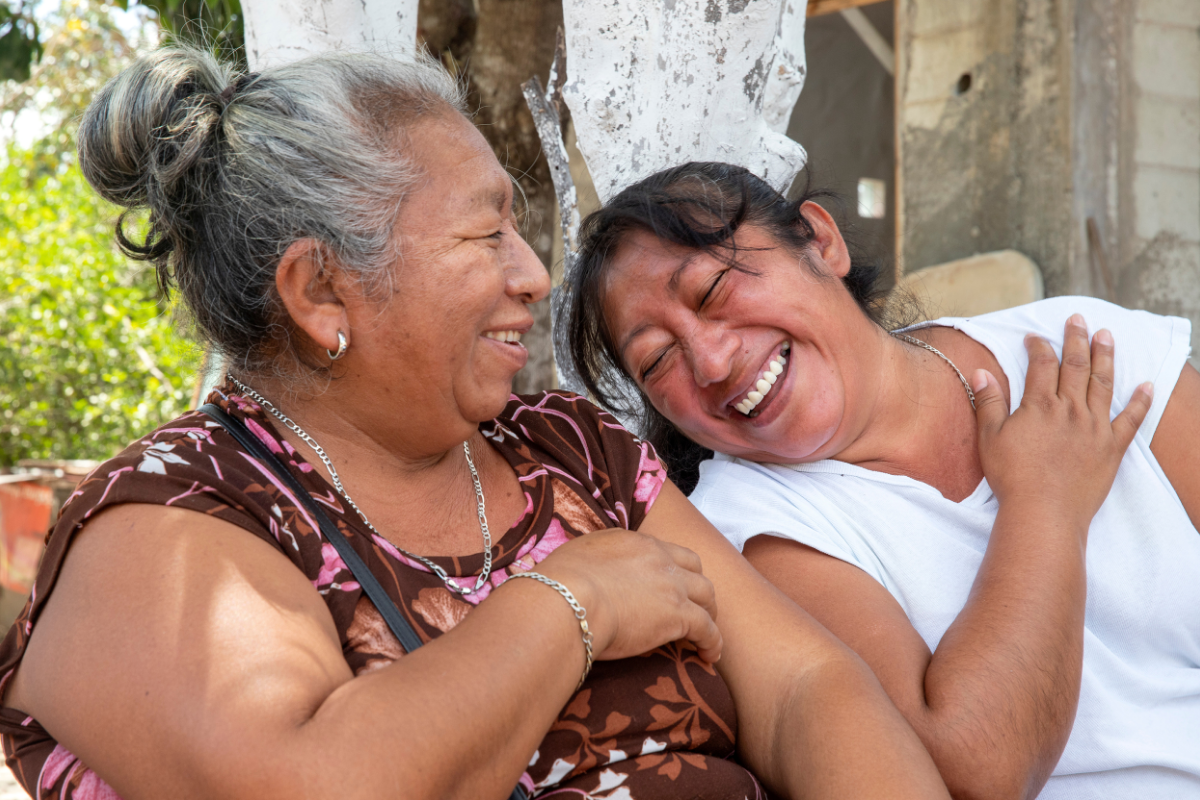
Curious how this works in practice? Three Mexican women share their experience with a group loan from Sofipa.
In Peru as well, Lendahand investments support women’s groups through microfinance institution Santa Isabel.
And no, group lending for women is not unique to South America. Financial institutions such as U&I in Kenya and SPBD in Tonga and Samoa also use this model to create more opportunities for women’s economic stability.
Direct to Business
Sometimes a loan does not go through a financial institution but is invested directly into a business. The interest rate for this type of investment is often higher, but so is the risk. That’s why we only offer these projects with an additional risk mitigation measure, such as a guarantee from an external partner.
In 2025, we successfully financed solar home starter kits from Dutch company Spark in Zimbabwe through a guaranteed investment, enabling households to access reliable, sustainable energy. Direct investments were also made possible for coffee cooperatives JSA and M&V Rivas in Peru, thanks to guarantees from Fair Capital.
From Label to Reality
As you’ve read, the impact of your investment does not lie in the label itself, but in how capital aligns with the reality of an entrepreneur. For some, that means a small loan to get started or overcome a difficult period. For others, it means growth financing to scale up. In other cases, gender or sector plays a role in highlighting the difference your money makes.
Ultimately, all labels serve the same purpose: creating equal opportunities through access to finance. They help you understand where your investment goes, but the choice is yours.
Take a look at the available projects and discover the difference you can make today.
How Do You Approach Lendahand Projects?
Do you consciously choose specific labels? Do you focus on the entrepreneur’s story?
Or do you evaluate the balance between financial and social returns?
