
 All posts
 Impact
 Investing
 Stories
 Updates
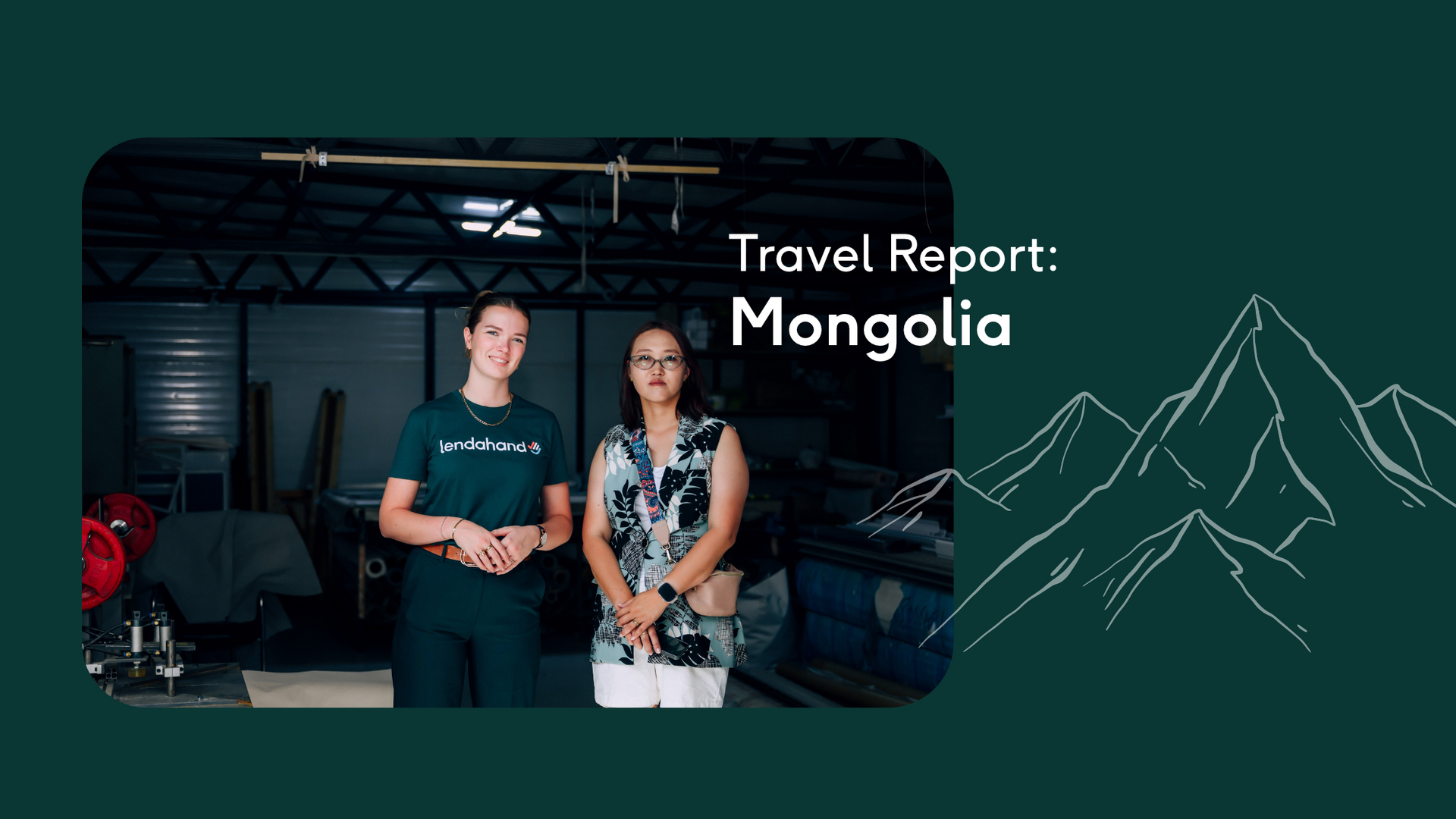
Colleague Hanna visits entrepreneurs in Mongolia

Written by Hanna Schutter on 26 October 2026
Mongolia is a vast country. As far as the eye can see, rolling hills stretch into the distance, dotted with small white spots. These are gers, traditional round tents in which around a third of the population lives a nomadic lifestyle. But don't be fooled: Mongolia is home to plenty of thriving entrepreneurs. Our colleague Hanna travelled to Mongolia to meet them.
In the Netherlands, I work as an Investor Engagement Manager. I am in daily contact with you, our investors, and work to keep you engaged and inspired. This time, I travelled to Mongolia myself to meet entrepreneurs and share their stories with you.
As soon as you step out of Chinggis Khaan International Airport, you are greeted by vast rolling hills where herds of animals roam freely. Modern life and nomadic traditions go hand in hand here. You see herders tending their horses, sometimes on horseback, sometimes on a motorbike, and occasionally even from a Toyota Prius.
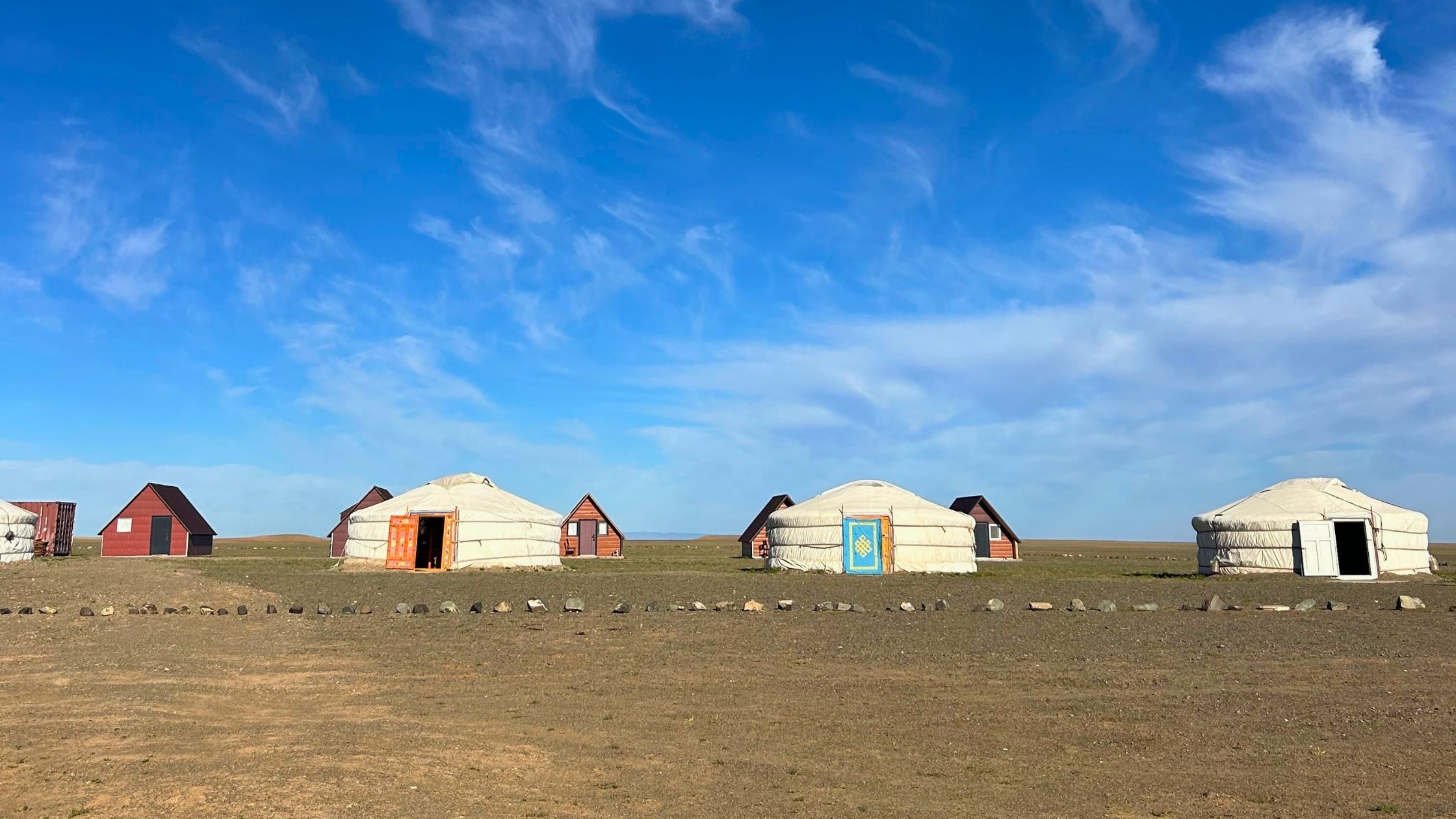
After a drive of just under an hour, a very different scene emerges: Ulaanbaatar, a city of 1.8 million people, home to more than half of Mongolia's population. Nestled between the hills, the city first takes you through suburban areas where many people live in traditional tents. As you approach the centre, these gradually give way to modern high-rise buildings, and the landscape transforms into a bustling city.
Our partnerships in Mongolia
We travelled to Mongolia to visit an existing borrower and explore opportunities for new partnerships. We met entrepreneurs who receive financing through GSB Capital, a microfinance institution that already partners with Lendahand. We also visited two entrepreneurs in Darkhan, a city in northern Mongolia, to learn more about a potential new partner.
The businesses we visited could hardly have been more different, ranging from a farm spanning dozens of hectares to a small cookie factory on the outskirts of Ulaanbaatar.
One thing they all had in common was their hospitality. Wherever we went, we were welcomed with food, drinks and even small gifts. We felt at home right away.
We also heard time and again how important access to financing is. It enables entrepreneurs to invest, expand their businesses and create jobs.
From 20 to 57 hectares: the impact of women entrepreneurs
After what is considered a relatively short 250-kilometre drive in Mongolia, we arrived in Darkhan, in the north of the country. There, we saw the impact a loan can have.
We met a female entrepreneur who runs a farm with her family. When they started out, they cultivated 20 hectares of land. Today, the farm covers 57 hectares and employs between 10 and 20 people, depending on the workload.
With her first loan, she bought additional land and machinery, allowing her to expand the farm. The growth of her business has had a significant impact on her family. The additional income enables her to send her children to school and pay their school fees.
Financing can mean more than simply investing in a business. It can also contribute to rural employment, women's financial independence and better educational opportunities for the next generation.
English lessons for children in Darkhan
In Darkhan, we also met an entrepreneur who combines running a business with a social mission. He runs a café and organises English lessons for local children.
In remote parts of Mongolia, children often have limited access to English lessons. Inspired by his own interest in foreign languages, he wanted to give children in Darkhan the opportunity to learn English.
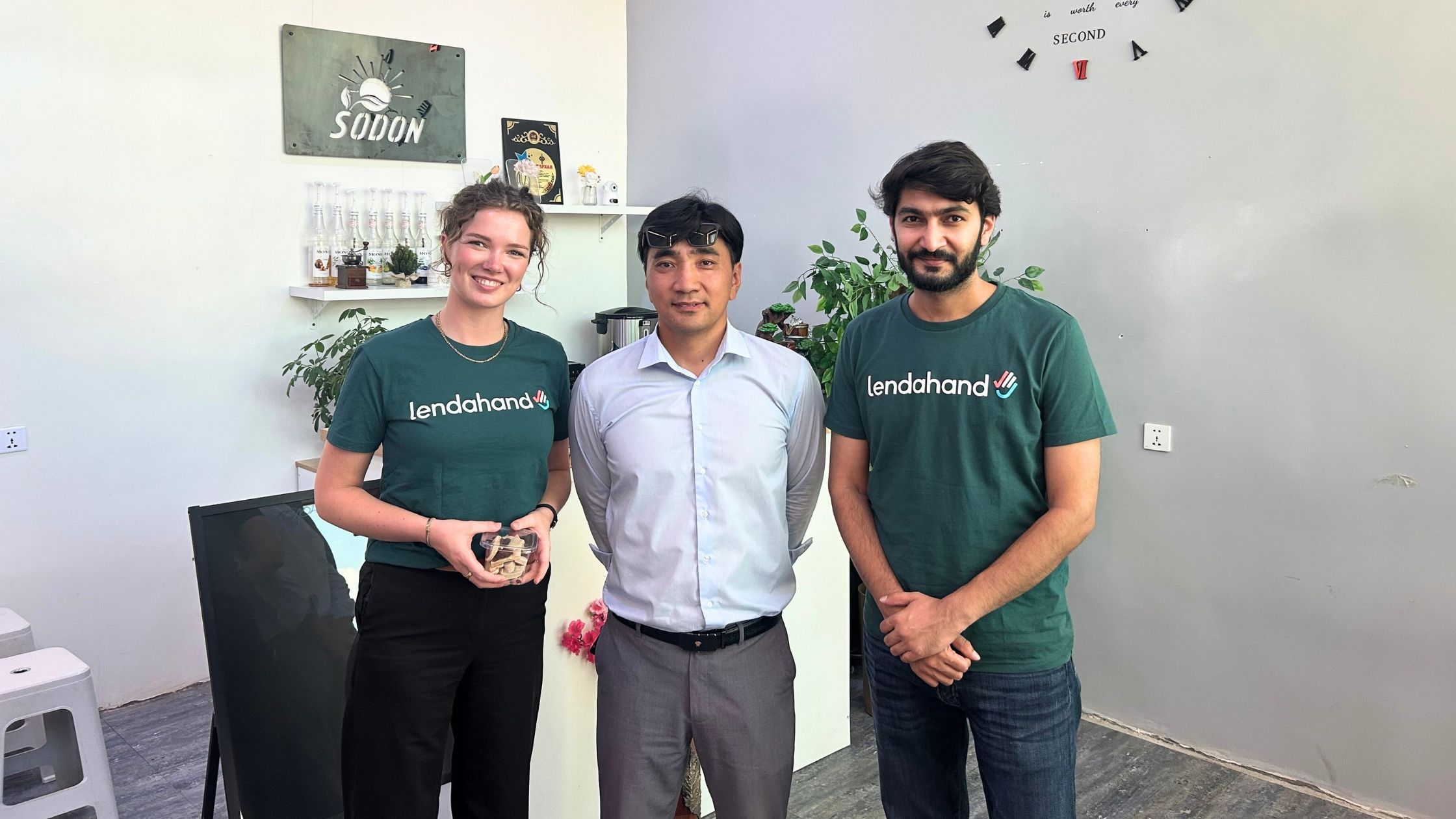
With a loan, he was able to open his café. It became not only a place to meet and eat, but also a place to learn. In the first year, around 30 children took part in the English lessons, which run yearly from 1 June to 1 August. The entrepreneur also provides breakfast for the children, using locally produced food. In this way, he combines education with a focus on healthy nutrition.
He hopes to expand the initiative further. Over the next two years, he aims to increase the number of participating children to 200. To achieve this, he also wants to hire a chef who can prepare organic meals for the children.
This visit showed how entrepreneurship can create value in different ways. Here, a café is more than just a place to eat or drink: it is also a place where children come together to learn new skills. The wider community benefits from the business, too.
A taste of entrepreneurship: a growing cookie factory
Back in the capital, Ulaanbaatar, we visited a small cookie factory. This family business started about a year ago and now employs eight people.
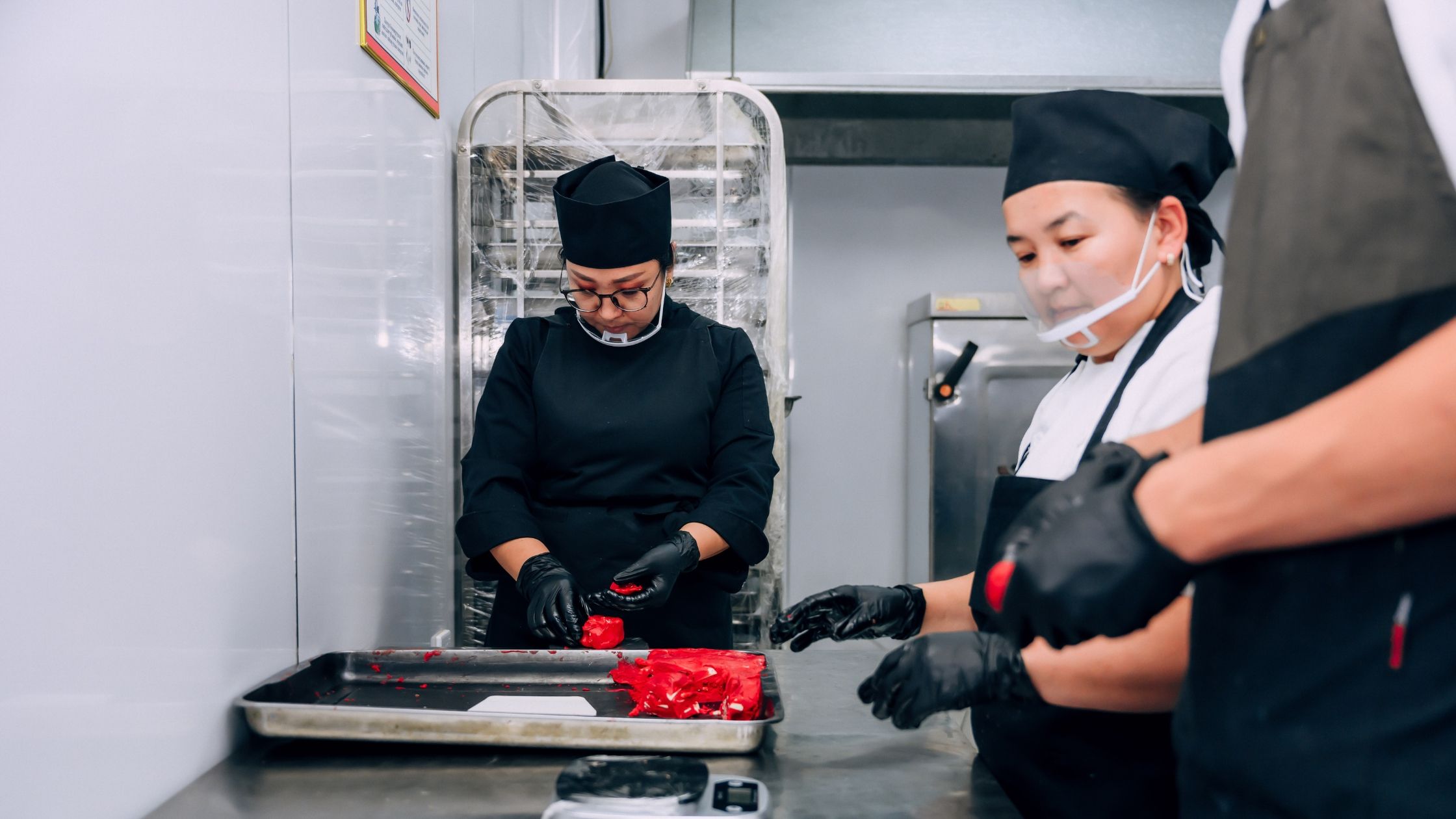
The idea for the factory came about after the partner of one of the brothers spent three months studying in Los Angeles. There, she discovered American-style cookies and became so enthusiastic about them that the family decided to start making their own for the Mongolian market.
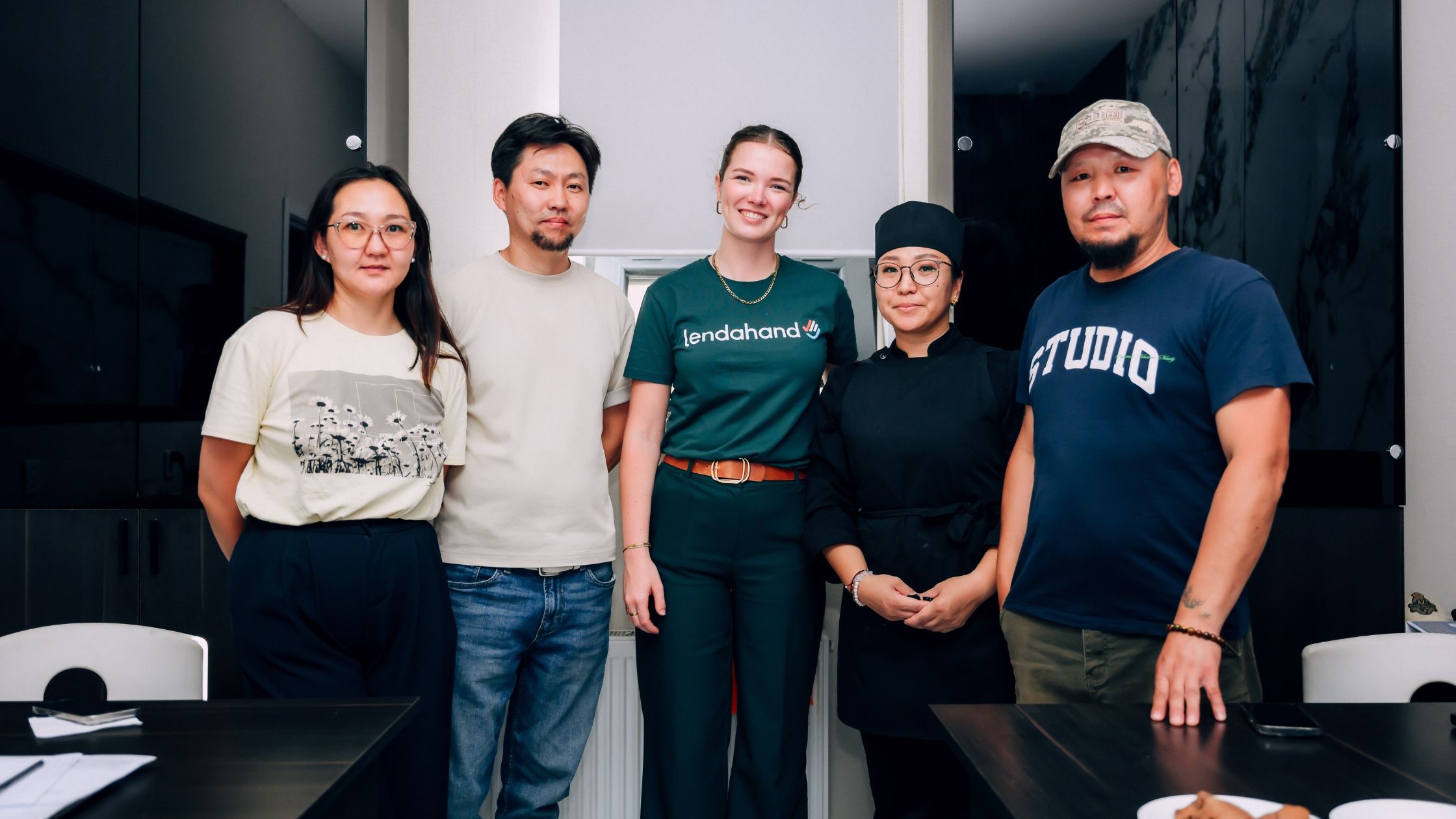
The family does almost everything themselves, from mixing the dough and baking the cookies to packaging them. They use Mongolian flour and import the other ingredients from Tokyo. Their cookies are now sold through a major supermarket chain. At present, they produce around 250 cookies a day.

With their current facilities, they could increase production to around 2,000 cookies a day. Their next goal is to scale up production and eventually open a larger factory. To establish the business, the family took out a loan from GSB Capital. This enabled them to purchase ovens, refrigerators and other equipment.
It is an inspiring example of how a small business can grow quickly with the help of a relatively small loan. An idea inspired by a stay in the United States is now being turned into a locally produced product in Mongolia, creating jobs for people in the surrounding area. And the cookies tasted delicious, too.
Doing business in extreme temperatures
Mongolia experiences extreme weather conditions. Summers can be warm, while winter temperatures can drop to -40°C. Entrepreneurs have to adapt to this climate, too.
In Ulaanbaatar, we met a female entrepreneur who makes curtains and blinds. With previous loans from GSB Capital, she bought a company car and additional materials. She appreciates being able to purchase materials through a digital business loan.
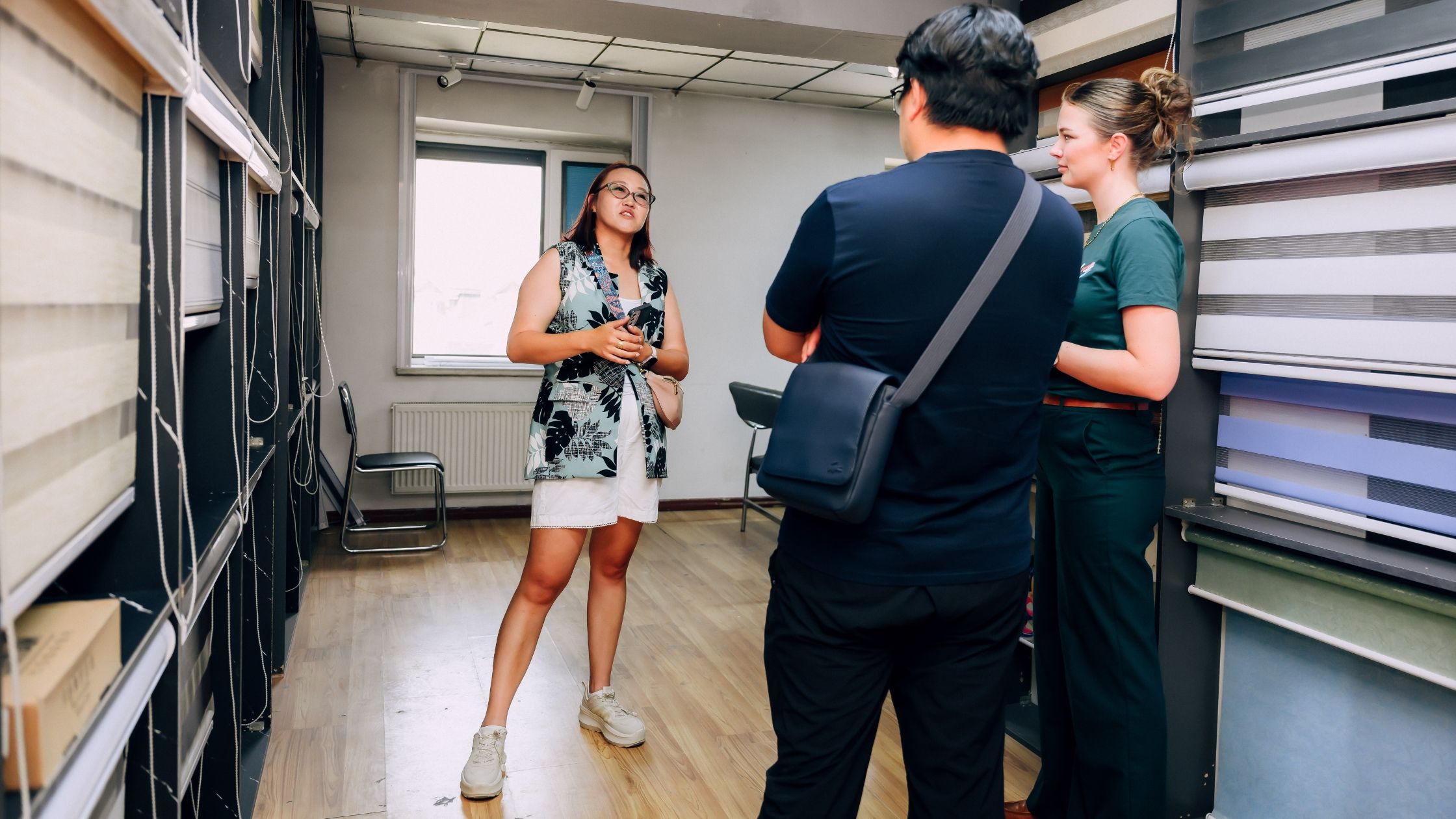
Still, growing a business is not always easy. Curtain sales are highly seasonal, and in winter she sells almost nothing. As a result, her income fluctuates significantly throughout the year. Financing creates opportunities for entrepreneurs, but running a business comes with challenges, too.
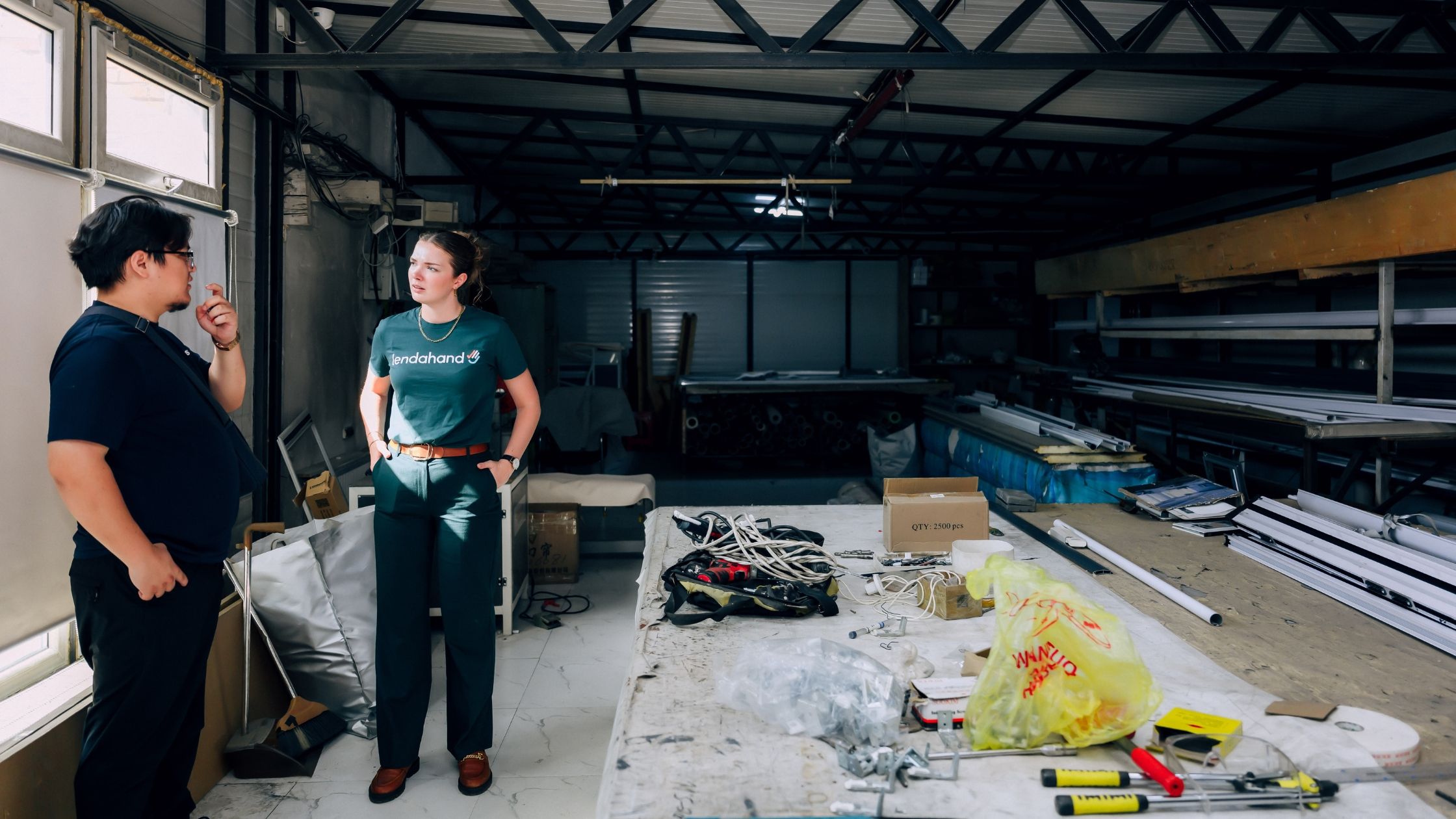
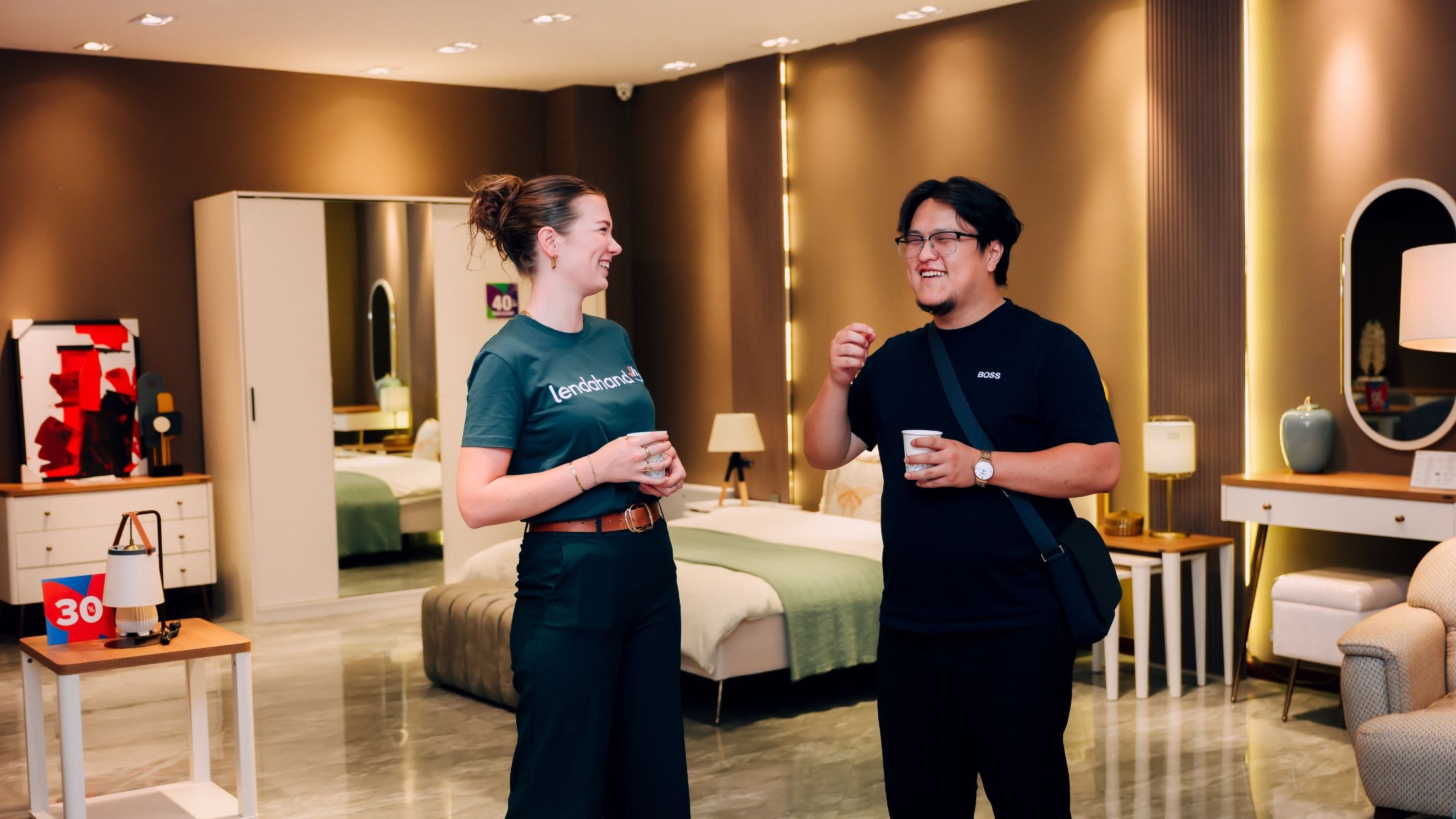
Other businesses are finding ways to adapt to the extreme weather. One example is a furniture factory that also works with GSB Capital. It makes custom furniture from Mongolian wood, tailored to local conditions. The furniture is designed to avoid becoming too cold in winter.
It is important for us to hear about the challenges entrepreneurs face during our visits. This gives us a better understanding of their daily lives and the role a loan plays in them.
Entrepreneurship in a Land of Contrasts
Our trip to Mongolia showed us just how diverse entrepreneurship can be. We met a farmer who uses the income from her growing business to pay her children's school fees, a family that started a cookie factory inspired by Los Angeles, and a café owner who gives children the opportunity to learn English.
The entrepreneurs we met operate in a country of contrasts. Herders sometimes tend their horses from a Toyota Prius, while business owners use digital loans and import materials from abroad. Tradition and modernisation go hand in hand. Everywhere, we met people eager to develop their businesses and seize new opportunities, despite the challenges posed by the extreme climate.
What struck me most was the importance of having access to a reliable financing partner. The entrepreneurs I spoke to particularly value the speed and reliability of their financing, especially compared with the often bureaucratic procedures at banks. Moreover, the relationship goes beyond providing a loan. Entrepreneurs receive financial advice, attend workshops and exchange experiences with others.
It was inspiring to see how loans can make a difference beyond the business itself. For example, the income they generate helps families pay school fees. And the café owner wants to expand his English lessons so that 200 children will have the opportunity to learn the language.
The entrepreneurs I met in Mongolia show how financing can help businesses grow while giving entrepreneurs the opportunity to make a difference in the lives of others.
